



01 Dec How to Create an Organized Table Routine for Your Nanny
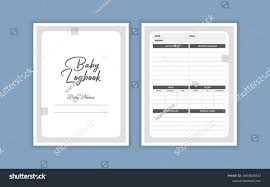
A nanny plays a central role in the daily rhythm of your home — caring for your child, maintaining routines, and supporting you as a parent. But even the most skilled nanny can struggle if there is no clear structure to guide the day. Many families in Nairobi experience misunderstandings, missed tasks, or inconsistent child routines simply because expectations were not clearly defined from the beginning.
This is where an organized table routine becomes one of the most powerful tools you can use.
A nanny routine table lays out the day in a simple, easy-to-read format that helps the nanny understand what to do and when. It also helps parents remain confident that the child’s daily needs are being met consistently, even when they are at work or busy with personal responsibilities.
This extended guide walks you step-by-step through how to create a detailed, effective routine table for your nanny — complete with sample templates, Nairobi-based examples, and expert tips to help your home run smoothly.
—
Why Every Household Should Use a Nanny Routine Table
A routine table may seem simple, but its impact is powerful. Here’s why it is essential for both parents and nannies:
—
1. Ensures Consistency for Your Child
Children feel secure, calm, and confident when their day follows a predictable pattern. A routine helps:
reduce anxiety
improve sleep habits
reduce tantrums
support emotional development
promote independence
Whether your child is a newborn or school-going, consistency is key.
—
2. Reduces Miscommunication Between Parents and Nanny
The biggest source of conflict in most homes is unclear expectations. A routine table solves this by:
stating exact responsibilities
outlining time blocks
setting rules
defining priorities
This way, both the parent and nanny operate from the same instructions.
—
3. Helps the Nanny Work Professionally
A routine isn’t just for parents — it helps the nanny:
manage time better
organize tasks efficiently
avoid forgetting important duties
stay confident
maintain a professional flow
It gives your nanny control and structure throughout the day.
—
4. Saves Time and Reduces Daily Stress
With a routine table, parents no longer need to repeatedly explain tasks. The nanny doesn’t need to guess or call for clarification. Everything is laid out clearly.
—
5. Helps Parents Track Progress
A routine table also makes it easy for parents to monitor:
feeding times
nap patterns
homework sessions
play activities
hygiene routines
This makes it useful for giving feedback, improving care, or adjusting tasks as your child grows.
Step 1: Identify the Needs of Your Household
Before creating your routine table, you must understand the rhythm of your home. Ask yourself:
About the child:
What time do they wake up and sleep?
Do they take naps?
What time do they eat?
Do they attend school/daycare?
What learning, play, or activity time do they need?
Do they need medication at certain times?
What calms them down when upset?
About the household:
Are there house chores expected from the nanny?
Do you prefer screen time limits?
Are there no-go zones in the home?
Are there routines you want to keep strict?
Do you have specific rules about food, hygiene, or safety?
Take 10–15 minutes to write down this information — it will help you create a routine that actually works for your home.
—
Step 2: Divide the Day Into Logical Time Blocks
A nanny routine should not be minute-by-minute. That becomes overwhelming and stressful. Instead, create time blocks that offer guidance while allowing flexibility.
Here is the recommended structure:
✓ Morning Block (6:00am – 9:00am)
For waking up, hygiene, meals, and school preparation.
✓ Mid-Morning Block (9:00am – 12:00pm)
For chores, developmental play, errands, and meal prep.
✓ Early Afternoon Block (12:00pm – 2:00pm)
For lunch, rest, or naps.
✓ Late Afternoon Block (2:00pm – 4:00pm)
For homework, outdoor play, reading, or learning.
✓ Evening Block (4:00pm – 7:00pm)
Dinner prep, bath, evening play, nighttime routine.
✓ Night Block (7:00pm – bedtime)
Dinner, storytelling, final cleanup, wind-down.
Dividing the day like this helps structure the routine while making it easy for the nanny to follow.
—
Step 3: Assign Specific Tasks to Each Block
Now that you have your time blocks, fill them with the tasks you want completed.
Here is a detailed example:
—
Morning Block Tasks
- Wake up the child gently
- Change diaper or assist with toileting
- Prepare a healthy breakfast
- Dress the child and help with hygiene
- Pack school bag
- Ensure uniform and shoes are clean
- Light cleaning of the bedroom and play area
Mid-Morning Block Tasks
For toddlers or younger children:
- Educational play (puzzles, blocks, shapes)
- Creative activities (drawing, singing)
- Safe outdoor play
- Snack time
- Clean play surfaces
For school-age children:
- Household chores
- Laundry for child
- Meal preparation
- Organizing the child’s room
Early Afternoon Block Tasks
- Serve lunch
- Encourage calm eating
- Quiet time, nap, or resting
- Light cleaning during nap time
Late Afternoon Block Tasks
- Help with homework
- Reading time
- Outdoor play or physical activity
- Monitor screen time limits
Evening Block Tasks
- Prepare dinner
- Bathe the child
- Dress them in pajamas
- Relaxation activities (drawing, music, storybook)
Night Block Tasks
- Serve dinner
- Brush teeth
- Bedtime storytelling
- Put child to sleep
- Tidy the play area
- Prepare clothes for the next day
- Pack school items
Step 4: Create the Actual Table
Here is the expanded, detailed version of the routine table — perfect for printing or saving:
Sample Nanny Routine Table (Expanded)
Time Block Tasks / Responsibilities Special Notes
6:00am – 8:00am Wake child, morning hygiene, prepare breakfast, dress child, pack school items, tidy room Encourage independence; maintain calm morning routine
8:00am – 10:00am School drop-off or educational play at home; tidy kitchen; start laundry Use gentle detergents; no screen time in morning
10:00am – 12:00pm Child’s laundry, clean play area, prepare lunch, bonding/play activities Follow parent’s meal preferences
12:00pm – 2:00pm Lunch, nap/quiet time, light cleaning during nap Avoid loud noise during nap
2:00pm – 4:00pm Homework, reading, educational games, outdoor play Supervise child at all times
4:00pm – 6:00pm Dinner prep, evening bath, calm play Keep evening peaceful and relaxed
6:00pm – 8:00pm Dinner, bedtime routine, storybook, lights out No sugary snacks after 6pm
8:00pm – 10:00pm Clean up, prepare uniform for next day, organize school bag Double-check school items
Step 5: Add Household Rules and Daily Expectations
This section prevents future misunderstandings. Include rules such as:
Common Rules
No phone use during work hours
No visitors allowed
Inform parent before giving any medication
Keep the child supervised at all times
Follow diet restrictions
Keep hygiene standards high (handwashing, sanitizing toys)
Child-Specific Rules
- No sugar after certain hours
- Daily reading time must happen
- Screen time limited to agreed hours
- Nap time cannot be skipped
These rules keep the home running smoothly.
Step 6: Print and Display the Routine Table
Place it somewhere visible:
On the fridge
Inside the kitchen cabinet
On the child’s door
On a family whiteboard
A visible routine helps the nanny stay consistent.
Step 7: Review and Adjust the Table Regularly
A routine should never stay the same for a whole year. Adjust it when:
School terms change
Baby grows older
Work schedule changes
New sibling arrives
Child outgrows naps
Household duties change
Reviewing the routine improves results and avoids frustration.
Common Mistakes Parents Make (And How to Avoid Them)
1. Giving the nanny too many tasks
This leads to burnout and poor performance.
2. Not giving clear instructions
A routine must be specific but simple.
3. Being too strict
Leave room for flexibility.
4. Ignoring the child’s personality
Some children adapt fast, others need gentle routines.
5. Not updating the schedule
A newborn schedule won’t work for a toddler.
Benefits of a Structured Nanny Routine Table
For Parents
- No repeated instructions
- Peace of mind
- Organized home
- Better communication with nanny
For Nannies
- Confidence
- Clarity
- Professional structure
- Improved performance
For Children
- Emotional stability
- Better sleep
- Good habits
- Calm, predictable days
Conclusion
A well-organized nanny routine table is the foundation of a peaceful, consistent, and productive home. It removes confusion, provides stability for your child, and supports your nanny in performing her best.
At Nairobi Nanny Services, we encourage every household to create a routine tailored to their child’s age, needs, and lifestyle. A thoughtful schedule not only strengthens the nanny-parent relationship but also ensures that your child receives the highest level of care every single day.
If you need a customized nanny routine table for your home, we can create one designed specifically for your child’s needs.
—
Connect With Us
Get more childcare tips, parenting guides, and nanny insights on our Facebook page:
👉 Nairobi Nanny Services
https://www.facebook.com/nairobibannyservices
No Comments