



18 Nov Signs Your Child Is Adjusting Well to a New Nanny

Introducing a new nanny into your home is a big moment for both parents and children. Some children adjust quickly, while others take days or even weeks. During this transition, parents often wonder: “Is my child bonding well with the nanny? Is this working?”
Understanding the signs of positive adjustment helps you know whether your child feels safe, understood, and emotionally supported. This guide explains the clear signs your child is adapting well, the normal challenges you may see, and how parents can help make the transition smoother.
—
1. Your Child Seems Comfortable Around the Nanny
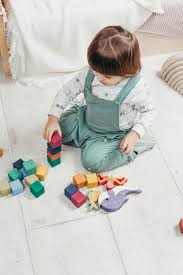
One of the first signs of successful adjustment is comfort. A child who feels safe will not fear or avoid the nanny.
Signs of comfort include:
Relaxed body language
Willingly sitting next to the nanny
Allowing the nanny to carry or feed them
Playing freely in the nanny’s presence
Comfort doesn’t always mean instant bonding. Some children simply need time. But when your child is not tense or fearful, that’s a positive sign.
—
2. Less Crying When You Leave
It’s normal for children—especially babies and toddlers—to cry when a parent leaves. But over time, the crying should reduce.
A good adjustment looks like:
Shorter crying periods
Faster calming down after you step out
Distraction with toys or activities
Willingness to stay with the nanny
If the crying lasts only a few minutes and the nanny easily soothes the child, it’s a strong indicator that bonding is happening.
3. Your Child Enjoys Playtime With the Nanny
Children naturally show acceptance through play. If your child willingly:
Brings a toy to the nanny
Laughs or smiles during activity time
Allows the nanny to guide or teach
Engage s in songs, storytelling, or games
…then trust is forming.
Play is the easiest way for children to connect emotionally. When they giggle or follow the nanny’s instructions during fun moments, it shows they feel safe.
—
4. Your Child Eats and Sleeps Normally
Routine stability is one of the strongest signs of emotional adjustment.
Healthy adjustment looks like:
Normal appetite
Eating without resistance
Normal nap times
Sleeping peacefully when the nanny puts them down
Children who feel unsafe usually refuse food or struggle to sleep. So when routines continue smoothly, it’s a clear sign the nanny is providing emotional security.
—
5. The Child Shows Excitement When the Nanny Arrives
Children express attachment through excitement. If your child:
Smiles when the nanny walks in
Runs to greet her
Calls her name
Wants to show her toys
Looks happy during transition
…it’s an excellent sign of healthy bonding.
Even shy children eventually warm up and show positive reactions in their own way, such as smiling, following the nanny around, or watching her curiously.

—
6. Improved Mood Throughout the Day
Children who are adjusting well show emotional stability.
Signs include:
More laughter
Fewer tantrums
More confidence to explore
Happier mood in the evenings
Reduced clinginess
A nanny who offers consistent care helps regulate a child’s emotions. That stability becomes visible in the child’s overall behavior.
—
7. Your Child Allows Physical Care
For young children especially, allowing physical care is a big sign of trust.
This includes:
Allowing the nanny to change diapers
Accepting feeding
Allowing the nanny to bathe them
Holding hands while walking
Allowing cuddles when upset
If your child willingly allows the nanny to meet their physical needs, it means they feel safe and comfortable.

This is one of the strongest signs of bonding.
Examples:
Going to the nanny when hurt
Sitting on her lap during story time
Allowing the nanny to soothe them
Looking for her when she steps away
If your child sees the nanny as a second source of comfort, it shows a healthy attachment is forming.
—
9. Good Cooperation With the Nanny’s Instructions
Children naturally resist instructions when they don’t feel safe. But when the nanny gives direction and the child responds positively, that’s a great sign.
Examples of cooperation:
Putting toys away when she asks
Listening during feeding
Following routines smoothly
Responding to her voice
Accepting boundaries
This means the child respects and trusts the nanny’s guidance.
—
10. Sharing and Social Interaction Improve
Children who feel emotionally safe show better social behavior.
Positive signs include:
Sharing toys with the nanny
Good eye contact
Imitating the nanny’s actions
Engaging in cooperative play
Responding to the nanny’s singing or talking
Imitation, especially, is a strong psychological indicator of comfort.

—
11. Curiosity and Exploration Increase
A child who feels safe becomes curious. If your child feels comfortable enough to explore their environment while the nanny supervises, it’s a clear sign they trust her.
Look for signs such as:
Trying new toys
Moving around the room freely
Showing interest in outdoor walks
Exploring activities like puzzles
Being open to new routines introduced by the nanny
Curiosity shows the child feels relaxed and supported.
—
12. Your Child Talks Positively About the Nanny
For older children (3+), verbal communication offers powerful clues.
Signs include:
Mentioning the nanny’s name
Talking excitedly about their day
Repeating songs the nanny taught
Asking if the nanny is coming
Drawing pictures of the nanny
Children express emotional attachment through conversation and storytelling.
—
13. Reduced Anxiety at Bedtime or Mornings
Children who feel emotionally safe show more stability in morning and night routines.
Adjustment looks like:
Waking up happy
Less morning crying
No bedtime stress caused by the nanny’s presence
Smooth transitions during the day
Emotional regulation improves when a child feels supported.
—
14. The Nanny Understands Your Child’s Personality
Sometimes the best sign is not the child’s behavior—but the nanny’s behavior.
A nanny who:
Notices when the child is tired
Predicts tantrum triggers
Knows how to soothe the child
Adjusts routines according to mood
Understands the child’s favorite toys, foods, and comfort techniques
…is helping the child feel understood and cared for. This emotional intelligence supports bonding.

—
15. The Child Shows Signs of Secure Attachment
Secure attachment is the healthiest outcome between nanny and child. Signs include:
Confidence to explore
Quick recovery after crying
Balanced clinginess (not too much, not too little)
Trust in routines
Emotional stability
Secure attachment is built through consistent, loving care.
—
NORMAL BEHAVIOURS THAT DON’T MEAN “BAD ADJUSTMENT”
Parents sometimes panic over behaviours that are actually normal during the first days.
These include:
- Occasional crying
- Clinginess when you return from work
- Shyness or quietness
- Testing boundaries
- Selective eating
- Sleep changes for 1–2 days
- Watching the nanny from a distance
- These behaviours usually fade as the bond builds.
—
HOW PARENTS CAN SUPPORT THE ADJUSTMENT PROCESS
Your involvement makes a big difference. To help your child adjust faster:
- Introduce the nanny slowly
- Let your child observe before forcing interaction
- Maintain consistent routines
- Avoid showing anxiety in front of the child
- Communicate with the nanny daily
- Offer reassurance and praise
- Allow time—bonding cannot be rushed
When parents, nanny, and child work together, the transition becomes smooth.
—
CONCLUSION
Every child adjusts at their own pace. Some bond within days; others take weeks. What matters is noticing the positive indicators that show your child feels secure, valued, and supported by the nanny.
At In Nairobi Nanny, we help families choose nannies who bring comfort, stability, and emotional warmth—so children can thrive in a safe, loving environment.
Levis Omondi
Posted at 11:05h, 18 NovemberDon’t miss our Holiday offers
Levis Omondi
Posted at 11:25h, 18 NovemberSTAY AT EASE ,,,WE GATS YOU!