


20 Nov Top Qualities to Look for in a Good Nanny
Whether you need a live-in nanny, a live-out nanny, a newborn nanny, or a house-help/nanny combination, the person you hire will influence your child’s daily routine, safety, learning, and emotional security.
Parents often wonder: “How do I know if a nanny is good?”
The truth is—great nannies share certain qualities that make them reliable, trustworthy, and effective in childcare. This guide explains the top qualities to look for when choosing a nanny, especially for families in Nairobi.
—
1. Trustworthiness
Trust is the foundation of any nanny-parent relationship. You’re allowing someone into your home, trusting them with your child, your belongings, and your privacy.
A trustworthy nanny:
- Arrives on time consistently
- Communicates honestly
- Follows instructions
- Respects household boundaries
- Keeps private family matters confidential
A nanny who is open about her background, references, and experience shows she has nothing to hide. When a nanny is trustworthy, parents feel secure—even when they are away at work the whole day.
2. Patience
Children cry, repeat things, spill food, and test boundaries. A good nanny stays calm through it all.
A patient nanny:
- Responds gently instead of shouting
- Repeats instructions calmly
- Understands that children learn slowly
- Gives the child enough time to adjust to routines
Patience is especially important with newborns, toddlers, and special needs children. A nanny who remains calm in stressful situations keeps your child emotionally safe.
—
3. Good Communication Skills
A quality nanny communicates clearly with both the child and the parents.
She should:
- Give daily updates about meals, naps, moods, and activities
- Ask for clarification when unsure of instructions
- Report any concerns immediately
- Speak politely and respectfully to children
Good communication prevents misunderstandings and ensures consistency between the nanny’s style and the parent’s expectations.
—
4. Professionalism
A nanny is not “just helping at home.” Childcare is a profession. A professional nanny shows respect for her work and for your family.
Signs of professionalism include:
- Keeping time
- Dressing appropriately
- Not using her phone while working
- Following routines
- Maintaining good hygiene
- Observing house rules
She also separates personal issues from work. Even when she is going through challenges, she still performs her duties.
—
5. Experience With Children

Experience matters—especially for infants and toddlers.
Experienced nannies:
- Know how to soothe a crying baby
- Understand feeding schedules
- Handle sleep routines
- Help with potty training
- Detect early signs of sickness
- Manage tantrums better
Experience reduces mistakes and increases efficiency. A nanny who has worked with several families already knows how to adjust to different households.
—
6. Genuine Love for Children
Some people take nanny jobs only because they need work. But a great nanny genuinely loves children.
Signs a nanny loves children:
- She smiles when interacting with them
- She talks gently
- She shows affection
- She enjoys playing, feeding, or teaching them
- She is patient and emotionally available
Children can feel when someone cares about them. A nanny with a warm heart helps your child feel safe and valued.
—
7. Reliability & Commitment
Parents depend on nannies every day. A reliable nanny gives stability to the home.
A reliable nanny:
- Reports to work consistently
- Does not disappear unexpectedly
- Accepts feedback
- Works without supervision
A nanny who frequently misses work or gives excuses causes stress for the entire household.
—
8. Ability to Multitask
Nannies deal with many tasks: feeding, bathing, washing baby clothes, cleaning baby utensils, sterilizing bottles, preparing meals, supervising playtime, and handling nap schedules.
A good nanny:
- Works efficiently
- Prioritizes tasks
- Keeps things organized
- Manages time well
This is especially important for families with more than one child.
—
9. Safety Awareness
Safety is a must. A nanny should understand how to keep a child safe at home and outside.
 She should know:
- How to handle choking emergencies
- How to identify dangerous objects
- How to secure windows and doors
- How to avoid burns and injuries
- How to supervise constantly
- Basic first aid procedures
A nanny who takes safety seriously prevents accidents.
—
10. Cleanliness & Hygiene
Children have sensitive immune systems. A nanny who maintains cleanliness helps prevent infections.
She should:
- Keep the baby’s environment spotless
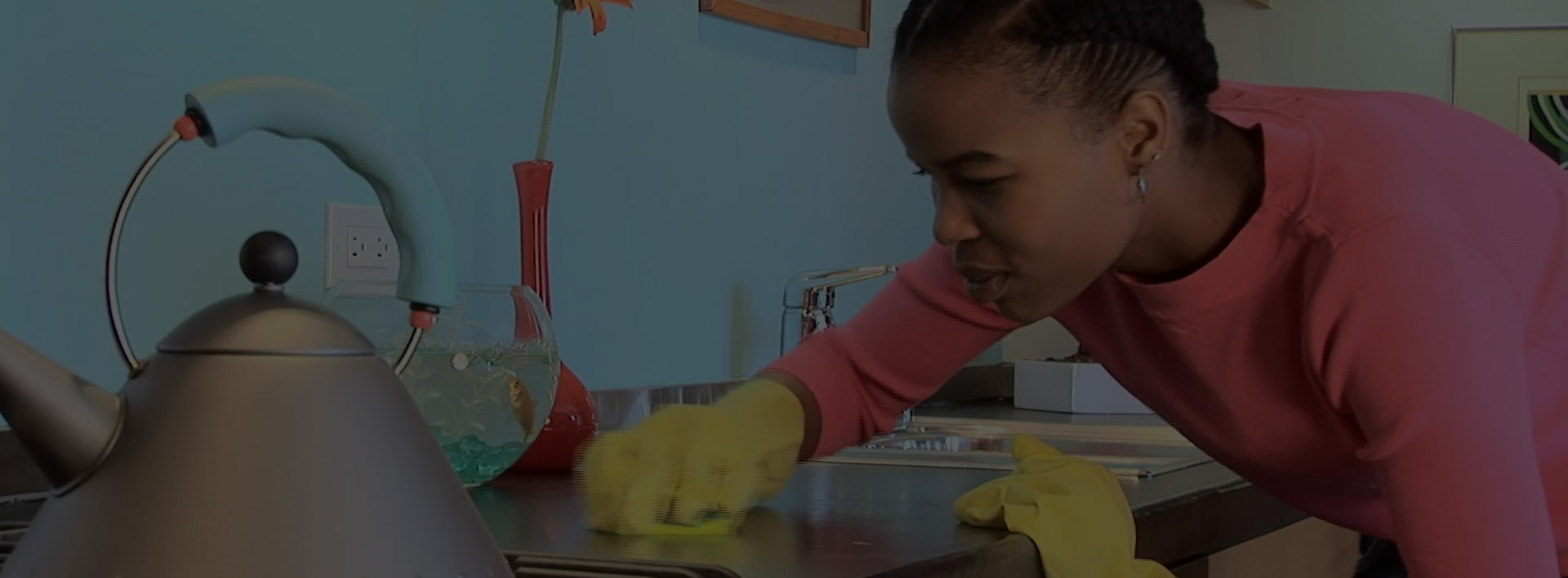
- Clean surfaces and toys regularly
- Wash her hands often
- Maintain personal hygiene
- Keep feeding items sterilized
Good hygiene shows responsibility and care.
—
11. Flexibility
Children’s needs change daily. A great nanny adapts without complaining.
Flexibility means:
- Adjusting to schedule changes
- Helping when routines change
- Managing unexpected situations
- Being open to learning new childcare methods
- A flexible nanny reduces stress for busy parents.
—
12. Emotional Maturity
A nanny interacts with children every day. Emotional maturity helps her handle difficult situations without taking things personally.
Emotionally mature nannies:
- Avoid unnecessary drama
- Stay calm during conflict
- Handle feedback well
- Maintain professionalism even when upset
- Don’t involve children in adult issues
- This creates a stable emotional environment for your child.
—
13. Respect for Family Culture & Values
Every home is different. A great nanny respects your family’s lifestyle, beliefs, and parenting style.
She should be willing to follow:
- Your routines
- Your discipline style
- Your boundaries
- Your rules about screen time, visitors, and diet
- Respect prevents conflict and supports consistency for your child.
—
14. Problem-Solving Ability
Children require quick thinking. A nanny should handle small issues independently.
Examples of problem-solving:
- Finding ways to stop a tantrum
- Adjusting meals when the child refuses to eat
- Finding fun indoor activities during rain
- Managing minor illnesses
- Handling unexpected changes calmly
- A proactive nanny saves parents from constant worry.
—
15. Willingness to Learn
Childcare evolves. A nanny should be open to improving her skills.
She should be willing to learn new:
Routines
- Child development methods
- First aid practices
- Feeding tips
- Hygiene standards
A nanny who grows with the family becomes a long-term asset.
—
CONCLUSION
Choosing a nanny is a major decision for any parent. By understanding the qualities of a good nanny, you can confidently hire someone who will offer safety, love, and professional care for your child.
At In Nairobi Nanny, we carefully screen every nanny for these qualities—so families get reliable, trustworthy, and well-prepared caregivers.
No Comments